
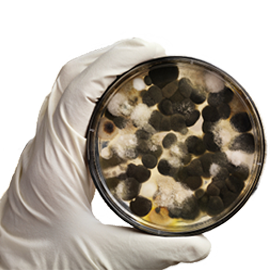
Choose a cleanup approach for your space
Mold removal in Toronto depends on the size of the problem and the material involved. For example, a mark on a hard surface differs from growth within damaged drywall. First, tell BlackMold.ca what you can see. Then we can discuss an assessment and a suitable scope.
- Review the affected surface
- Consider the extent of damage
- Discuss cleaning or material removal
- Keep the moisture source in the plan
- Agree on access and costs
Avoid covering up a mold problem
For example, a new coat of paint can hide a stain while dampness remains. Instead, ask why the surface became wet and which repairs would address the source. For recurring growth, a mold inspection can help define the next step.
Know when to seek help
Before mold removal, large, hidden or recurring areas need a closer review. Health Canada provides guidance on mould cleanup and when to seek professional help. People with health concerns should consult a health professional; a cleanup quote is not medical advice.
Prepare for mold removal
First, give the address, room type and known water history. Also, tell us about entry rules, stored items and shared spaces. For broader moisture and cleanup planning, see our remediation service. Finally, confirm the proposed work before it begins.
For example, a small bathroom patch and a damp storage room may need different access arrangements. Also, explain any earlier cleaning or repainting. As a result, that history helps the assessor ask more useful questions.
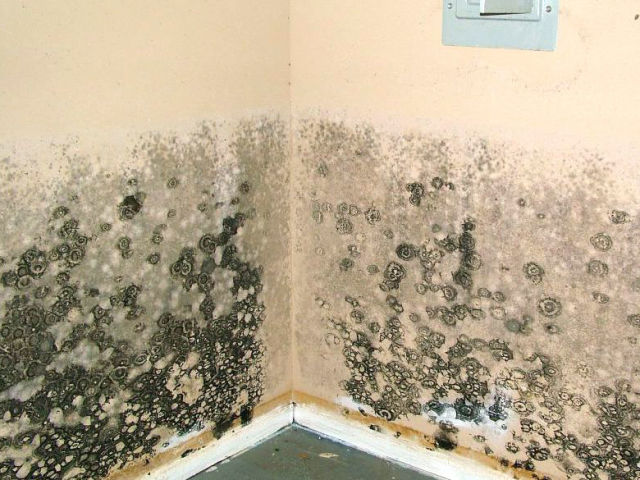
Mold Removal in Toronto FAQs
Can a photo define the mold removal work?
A photo may show a concern, but it cannot confirm every detail.
Should I paint over a patch?
No. Address the source and affected material first.
What changes a mold cleanup scope?
The area, material, access and moisture findings.
Are all dark marks mold?
No. Marks may have other causes and need review.
How can I arrange mold removal help?
Call 416-989-4532 or use the contact form.